
Brain Gym®
Brain Gym® uses simple physical activities to support learning, coordination and whole-brain development. Developed by Paul and Gail Dennison in the 1980s, it is now used worldwide in schools, homes and workplaces.
What is Brain Gym®?
Brain Gym® is a structured program of 26 gentle, purposeful movements designed to support learning and performance. It was developed through the Dennisons’ work with children and adults experiencing learning difficulties, and was informed by research into developmental movement and sensory-motor integration.
Brain Gym® is now used in more than 80 countries, in settings including education, the performing arts, sport, and business. While the movements promote flexibility and coordination, Brain Gym® is distinct in its focus on supporting skills such as reading, writing, spelling, listening, and physical coordination.
How does Brain Gym® work?
Movement plays a fundamental role in human development. In early life, neural pathways are formed and strengthened through physical activity and sensory experience. Brain Gym® uses specific movement patterns to support efficient communication between different areas of the brain and the sensory-motor system.
The program is based on the idea that learning challenges may arise when communication between sensory systems — such as vision, hearing, and movement — is less efficient. Brain Gym® activities aim to encourage integrated movement experiences that support the brain’s natural capacity to organise and process information.
Brain Gym® may support people to:
Learn with greater ease and confidence
Improve focus, organisation, and coordination
Approach tasks and projects more effectively
Support learning challenges such as attention and concentration
Enhance performance in academic, creative, athletic, and professional settings
The 26 Brain Gym® movements
The 26 activities are easy to learn, need no special skills or fitness, and can be adapted to suit different abilities and environments. They are traditionally grouped into four categories, and are commonly taught using the Brain Gym® Teacher’s Edition.
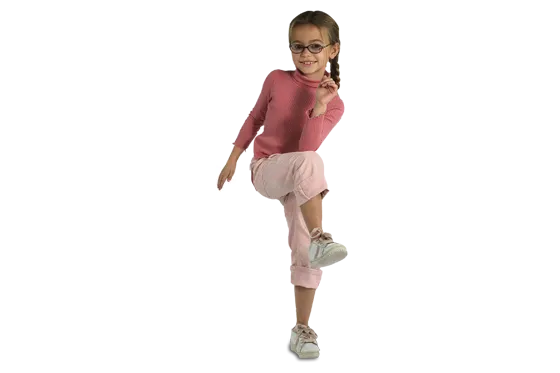
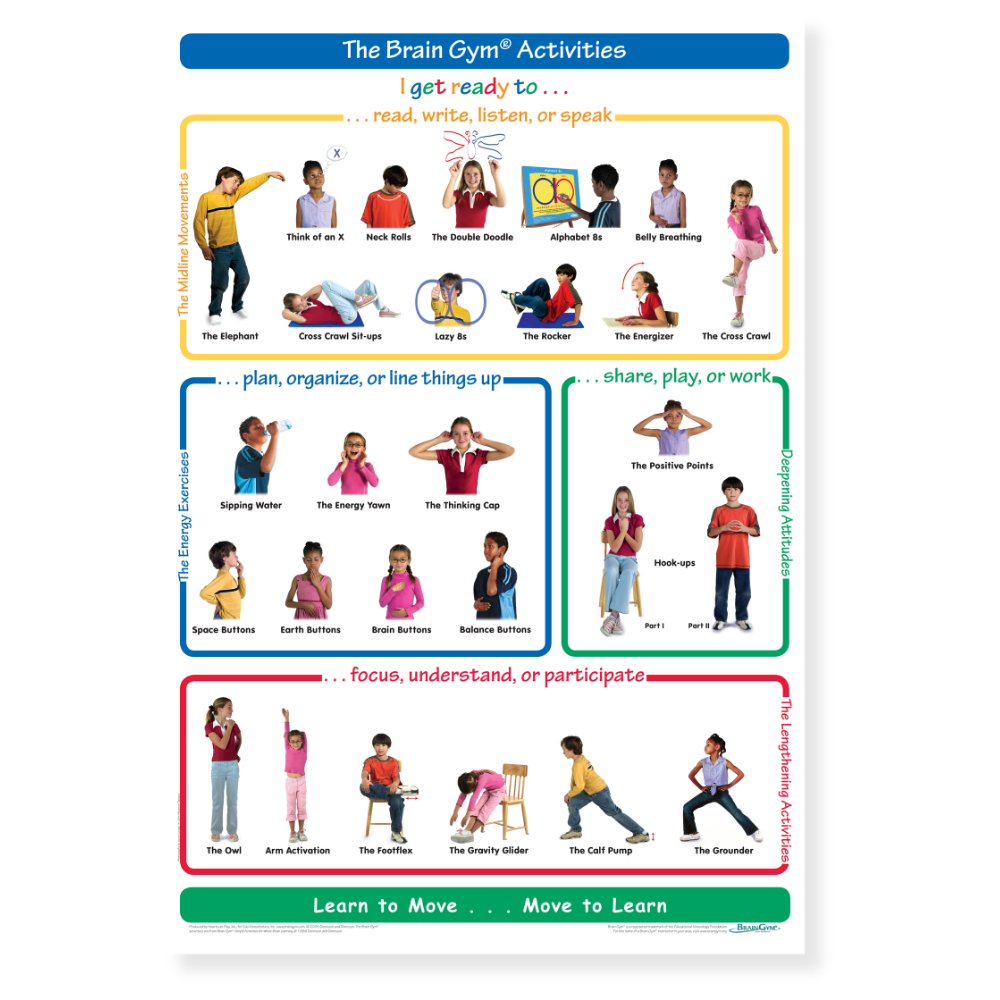
Midline Movements
Activities that cross the midline of the body, such as the Cross Crawl and Lazy 8s, to support left–right coordination for reading, writing, and movement.

Lengthening Activities
Gentle stretches, such as The Owl and the Calf Pump, that release tension and help support focus, comprehension, and expression.

Energy Exercises
Activities such as Brain Buttons and drinking Water that help re-energise body and mind and support alertness for learning.

Deepening Attitudes
Calming activities such as Hook-ups and Positive Points that support emotional balance, settledness, and a positive approach to learning.
Getting started with PACE: many people begin with PACE — Positive, Active, Clear, and Energetic — a short warm-up of four Brain Gym® activities that can be done anywhere in a few minutes. See the PACE Poster for Children.
Who is Brain Gym® for?
Brain Gym® is suitable for people of all ages and learning styles — whether they enjoy learning and want to enhance performance, or experience challenges with attention, organisation, or coordination.
Children
From infants and preschoolers to school-aged students, including those with additional learning needs.
Teens & Students
Secondary and university students looking for focus, organisation, and confidence in study and exams.
Adults & Workplaces
Short, accessible “brain breaks” for work, creative settings, and daily life, supporting clarity, focus, and engagement.
Seniors & Communities
Gentle, engaging movement that can be practised individually or in community groups.
The founders
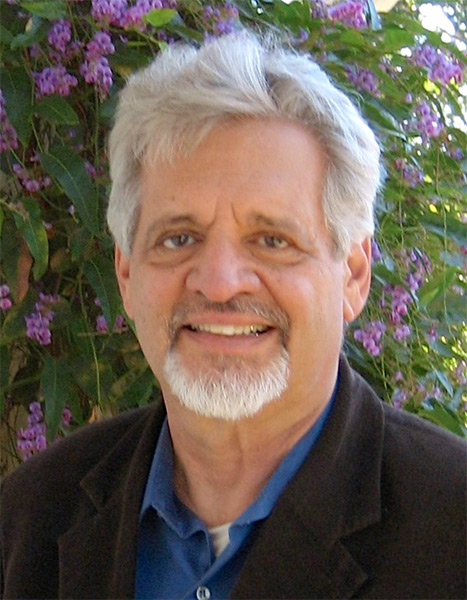
Paul E. Dennison, PhD
Paul began his career as a school teacher and personally experienced significant learning challenges, including dyslexia. Through research and practical experimentation with movement-based approaches, he developed methods that supported his own learning and teaching. In the early 1980s he formalised this work into what became Brain Gym®, and went on to teach it internationally.

Gail E. Dennison
Gail is the co-creator of Brain Gym® and co-author, with Paul, of its core texts, including the Brain Gym® Teacher’s Edition. Drawing on a background in art and movement, she helped shape the program into the accessible, playful approach used by educators and families around the world.
Popular Brain Gym® resources
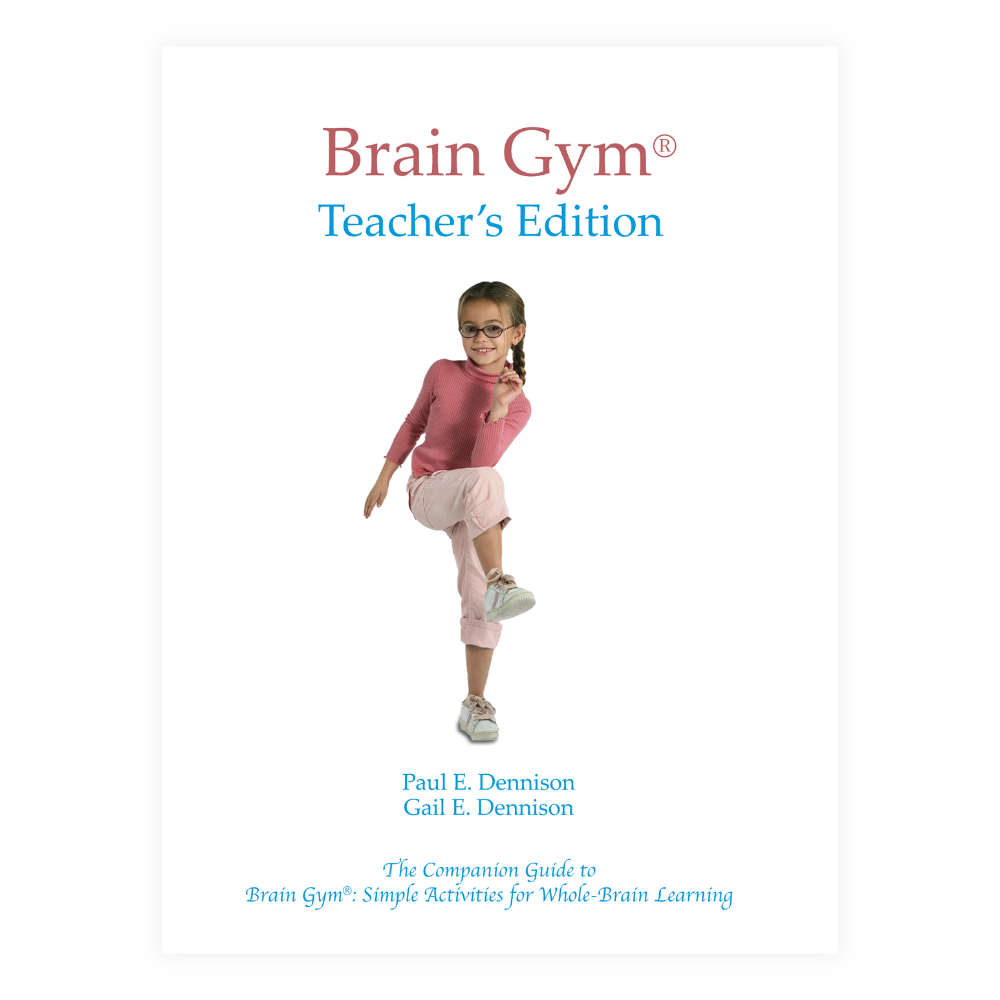
Explore the full Brain Gym® range
Books, charts, music, and movement resources for home, classroom, and practice.